



Immersive Learning: How VR and AR Are Transforming Education and Corporate Training
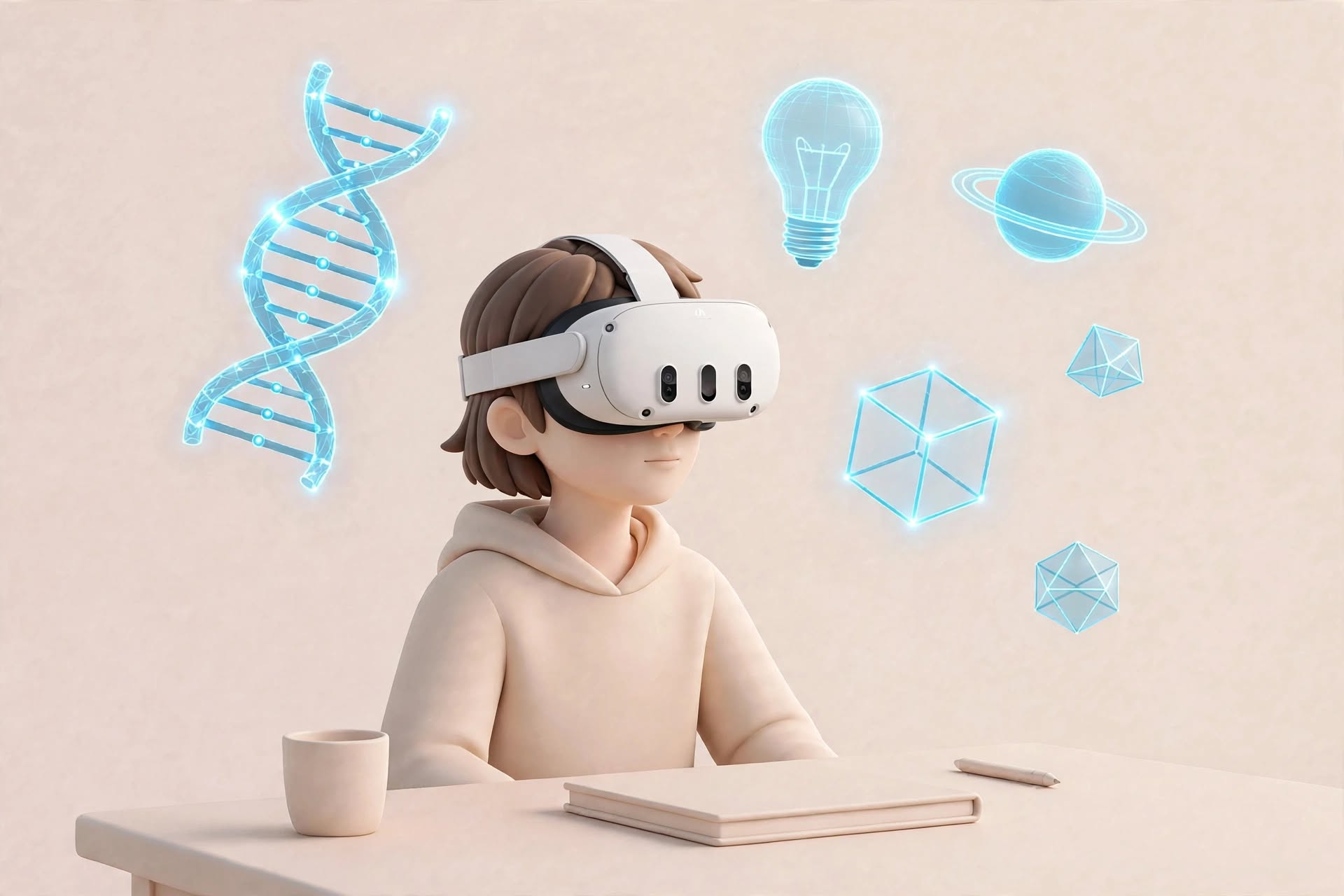 Immersive learning uses virtual and augmented reality to create educational experiences that engage learners at a depth conventional methods cannot match. When a medical student steps into a virtual operating theatre, when a chemical engineer walks through a simulated refinery incident, when a history student stands in ancient Athens as the Parthenon is built around them – these are not entertainment experiences. They can support defined educational goals when paired with suitable instructional design and evaluation.

VR and AR are established development technologies, but learning results depend on scenario quality, teaching methods, hardware and evaluation.
The Evidence for Immersive Learning: what can we reasonably conclude?
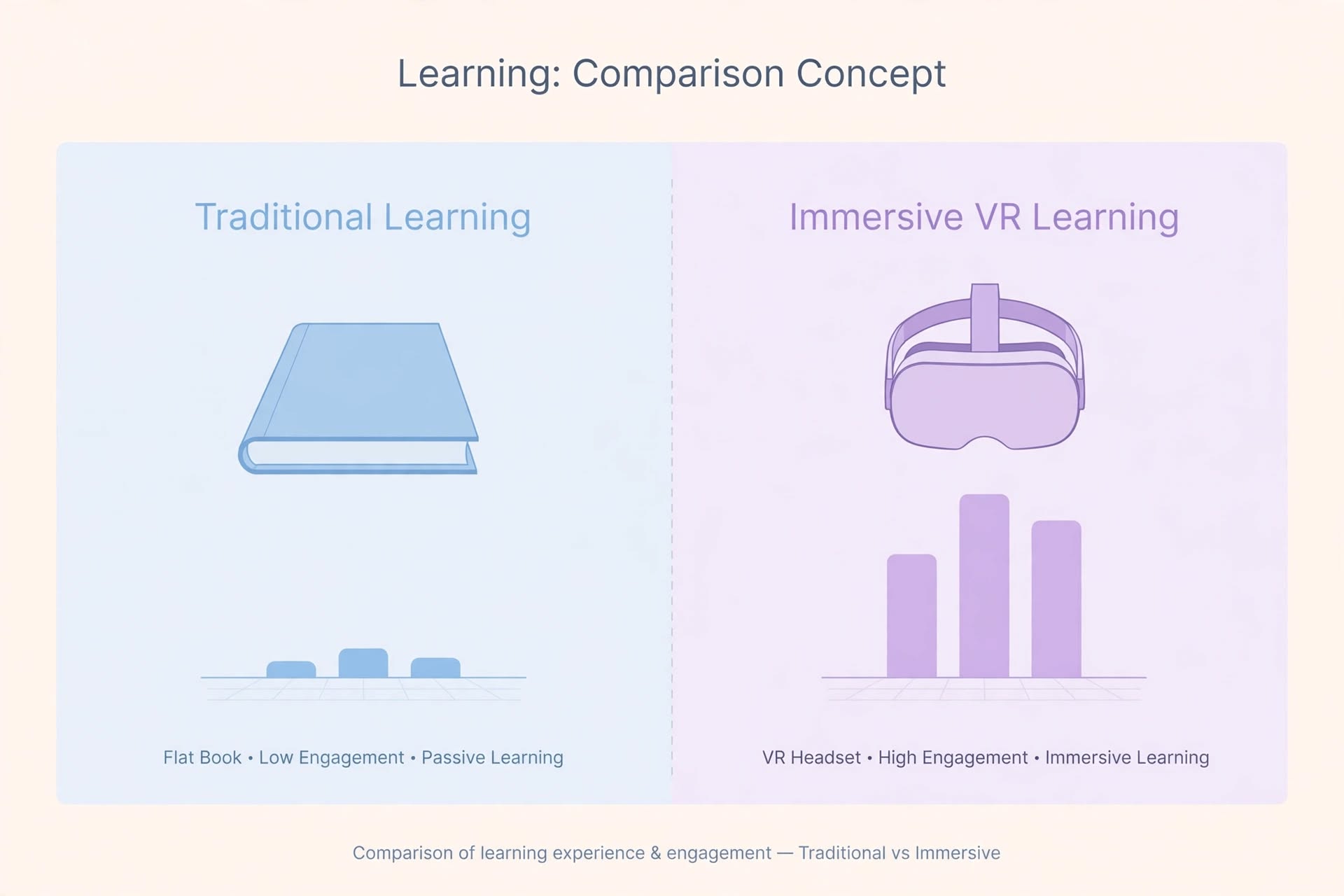
Immersion alone does not guarantee better learning. A useful VR or AR module has a clear objective, meaningful learner actions, feedback and a way to evaluate progress. Studies of immersive learning examine many different subjects, ages, hardware platforms and teaching methods, so a single universal retention percentage would be misleading.
Educational organisations should define what success looks like before development: correct completion of a procedure, the ability to identify hazards, a short knowledge assessment, or observations by an instructor. Results should be compared with the learning method already in use where possible. Engagement is valuable, but time spent wearing a headset is not the same as demonstrated understanding.
VR can allow repeatable practice in a digital setting and show situations that are inaccessible in ordinary lessons. It does not replace supervised practical work, formal qualifications or expert judgement where those remain necessary.
Immersive Learning Formats and Their Applications
Immersive learning is not one technology – it is a family of approaches, each suited to different educational objectives.
VR simulation places the learner in a fully immersive 3D environment where they practice procedures, make decisions, and experience consequences without real-world risk. This is the most powerful format for hazardous procedures (safety training, surgical training, emergency response), emotionally challenging scenarios (conflict resolution, patient communication, difficult conversations), and complex procedural sequences (aircraft maintenance, manufacturing assembly, medical procedures).
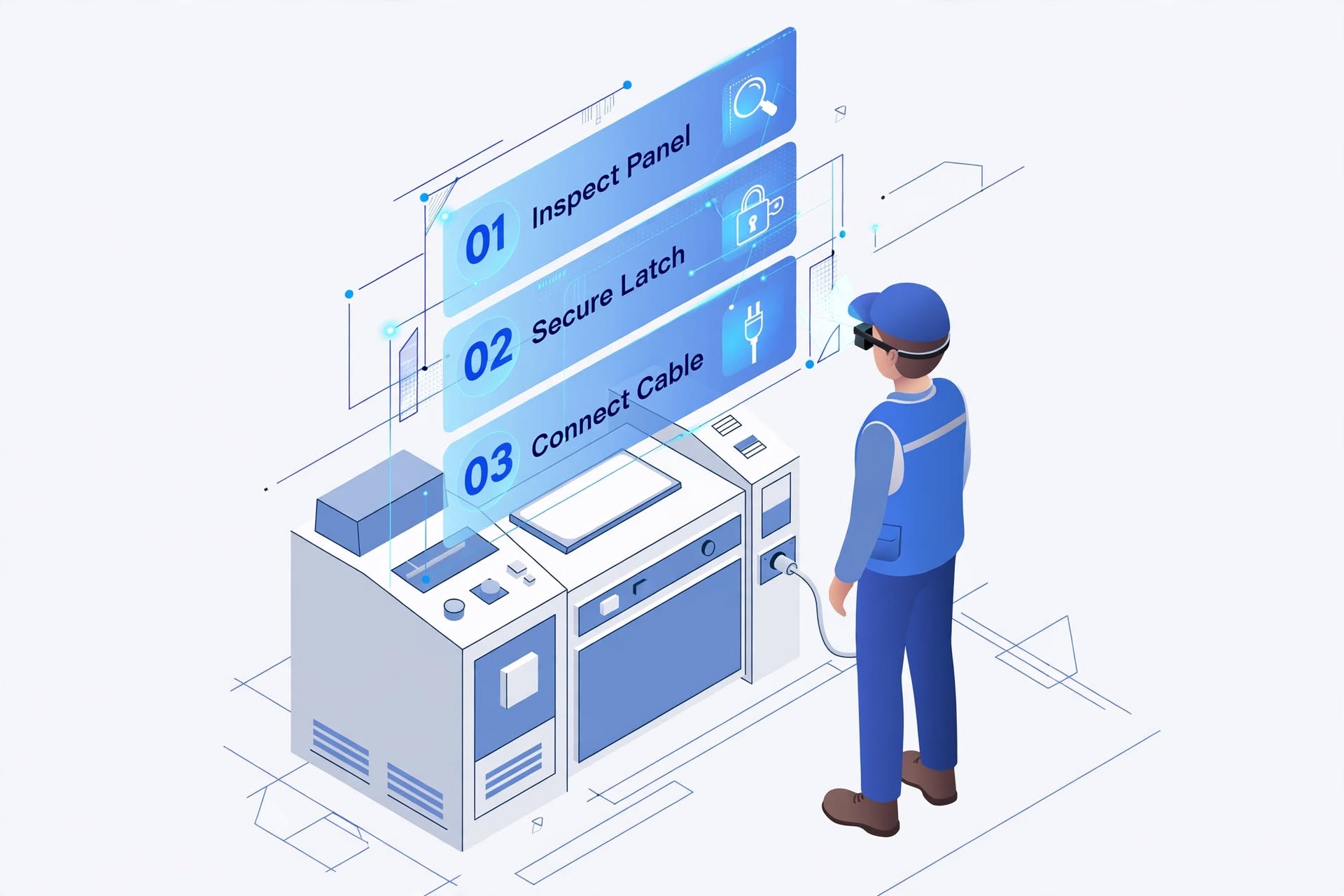
AR-enhanced learning overlays digital information, instructions, or contextual content on the learner’s real environment. A maintenance technician in AR sees step-by-step instructions overlaid on the actual piece of equipment they are servicing. A student studying anatomy in AR sees digital dissection layers overlaid on a printed textbook. A trainee chef in AR sees the ideal knife technique demonstrated on their actual cutting board.
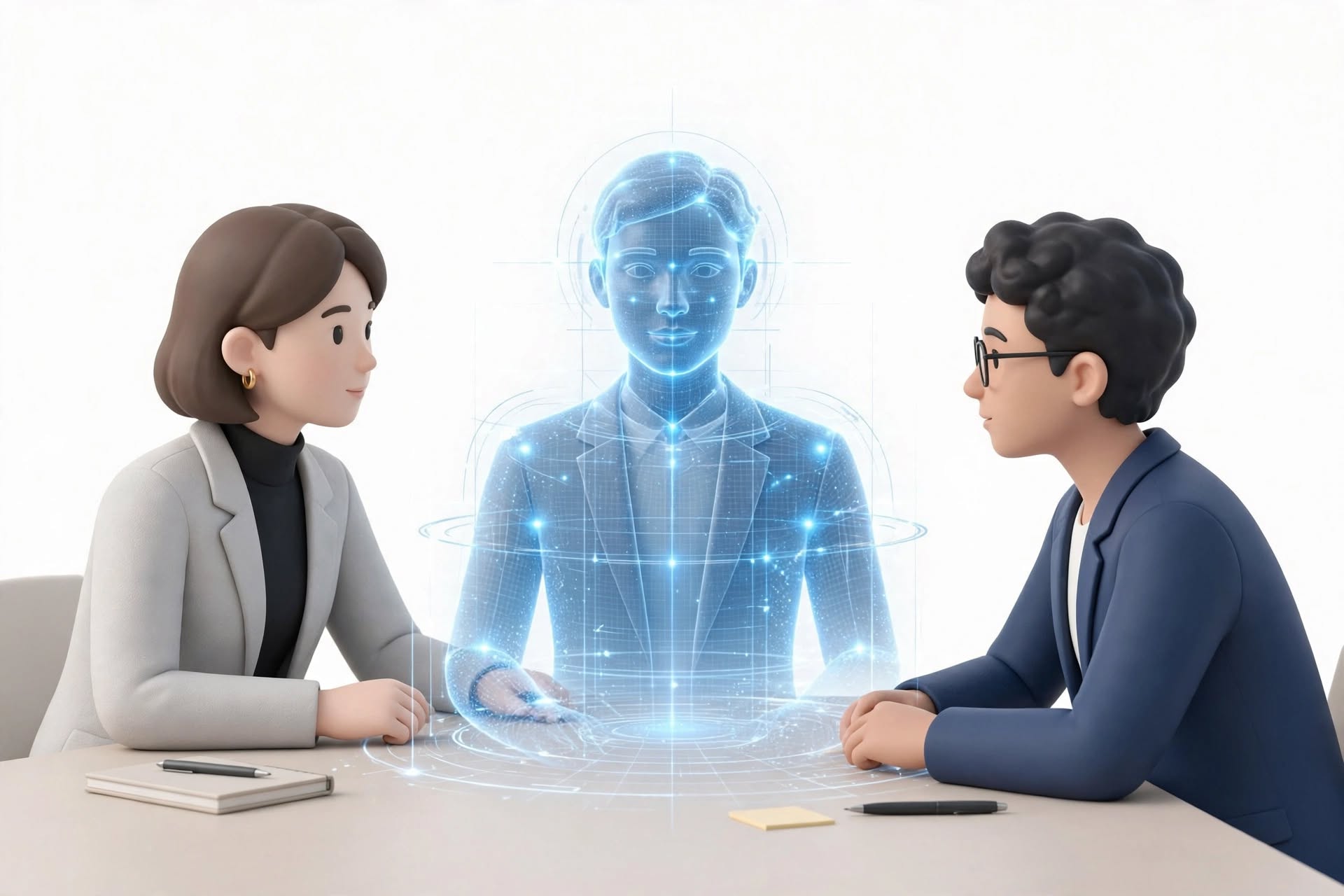
Mixed reality collaborative environments allow multiple learners to share a virtual space from different physical locations – working together on a virtual project, examining a shared digital model, or practising team responses to simulated emergencies. This format is emerging as a powerful tool for distributed team training.
Immersive 360-degree experiences are used for awareness training and empathy development – experiencing environments from different perspectives, understanding conditions that are difficult to access physically, building contextual awareness of environments learners will work in.
Immersive Learning in Corporate Training
Corporate training is currently the largest deployment domain for immersive learning technology. The economic drivers are clear: large populations of employees, training standardization requirements, measurable performance outcomes, and high cost of real-world training failures.
Safety training leads deployment. Manufacturing, construction, maritime, oil and gas, and utilities industries have all demonstrated that VR safety simulation reduces incident rates and improves compliance versus conventional safety training. The combination of risk-free practice and high emotional engagement produces training transfer that lecture and video cannot match.
Soft skills and leadership training is the fastest-growing corporate immersive learning category. VR environments that simulate difficult performance conversations, inclusive leadership situations, or customer conflict scenarios allow managers to practise skills that are genuinely difficult to develop in safe contexts. The experience of virtually conducting a redundancy conversation or navigating a discrimination complaint creates preparation that role-play exercises with colleagues cannot.
Compliance training has traditionally been the most hated corporate learning format — mandatory, tedious, and forgotten immediately. Immersive compliance training that puts learners in the actual scenario they need to understand (what it feels like to be on a vessel when fire procedures are not followed correctly) produces compliance retention that annual online modules never achieve.
Building Immersive Learning Content: The Production Approach
Immersive learning content requires a production approach that integrates learning design with 3D and interactive development — a combination that most conventional e-learning studios and most 3D studios lack individually.
Learning design comes first. Before any 3D or VR work begins, the learning objectives must be specified: what will learners be able to do (not just know) after this experience? The assessment criteria must be defined. The decision moments — where the learner’s choices produce consequences — must be mapped. This phase is as important as any technical production phase.
3D environment production creates the world the learner inhabits — accurately representing the real-world environment where the learning transfer will occur. A maintenance training VR experience that uses a generic factory environment rather than a model of the actual facility the trainee will work in produces weaker transfer.
Interaction design defines how learners act within the environment — which objects they can interact with, what feedback they receive from actions, how the scenario branches based on choices, and how performance is measured and reported.
Iteration and testing with actual learners is essential before deployment. Immersive learning experiences that have not been tested with representative learners often have usability issues that significantly reduce effectiveness — confusing interaction models, inadequate feedback, or scenarios that are too easy or too difficult.
Educational VR Development Cost and Delivery
There is no reliable fixed price for an educational VR application. Costs depend on the number of environments, quality and quantity of 3D content, interaction complexity, headset support, assessment features, audio and localisation, integration requirements, accessibility, testing and maintenance. Reusing well-prepared 3D assets may reduce effort, but they typically still need optimisation for real-time performance.
For an accurate proposal, describe the audience, learning outcome, number of scenarios, device model, languages, available course material, teacher or administrator needs, delivery deadline and required support. A focused prototype can help validate the learning design before building the full application.
Educational VR Applications: Real Fourthedesign Experience
Fourthedesign is a Greece-based team working across VR application development, interactive 3D, 3D modelling and animation. The role of an immersive studio is to connect subject matter, practical interaction and technical delivery rather than simply make impressive virtual scenery.
C-MineTech: VR industrial training and digital twin visualisation
The C-MineTech initiative, associated with EIT RawMaterials, includes immersive industrial training, interactive simulations, scenario-based learning and digital twin visualisation. Fourthedesign’s published role covers development of the VR and interactive 3D layer. Its subject matter relates to raw-material recovery, reuse and circular-economy skills. Read our C-MineTech industrial VR training case study to understand the project context and our contribution.
How cultural VR can support teaching and exploration
The Nikos Kazantzakis immersive VR experience offers a different application of VR. Fourthedesign contributed as a subcontractor to the 3D recreation, visualisation and character production. This is an example of immersive cultural storytelling; it should not be described as a measured educational intervention unless an evaluation demonstrates that outcome.
How to Commission Educational VR for Schools and Training
1. Start with an observable learning objective
Replace broad goals like “learn safety” with tasks learners can demonstrate. For example, identify a hazard, choose a safe sequence, assemble parts in order or explain what changed between two historical periods. Agree on how the instructor will judge success.
2. Choose VR, AR or screen-based interactive 3D
Choose VR when spatial presence or procedural practice is central. Choose AR when digital guidance should appear alongside a real object or environment. Choose interactive 3D on a screen when a shared classroom activity, simpler hardware or greater ease of access is more important than immersion. More technology is not automatically better teaching.
3. Prepare the scenario and accurate 3D content
Define every step a learner can take, the feedback they receive, and the conditions that end a scenario. Build or adapt 3D models to match the level of detail genuinely required for the learning goal. Validate technical or scientific procedures with subject-matter experts rather than making them up for visual effect.
4. Test comfort, usability and accessibility
Short initial sessions, clearly labelled controls, seated-use options, captions, language choices and a suitable non-headset alternative can make the experience easier to adopt. Teachers and representative learners should test the prototype on the actual hardware, not only on a developer’s workstation.
5. Plan assessment, operations and maintenance
Decide whether you need saved progress, learner accounts or an instructor dashboard. Collect only data necessary for the approved purpose. Specify device charging, cleaning, application updates, licences, staff training, offline operation and technical support. A training app becomes useful only when instructors can operate it reliably.
Frequently Asked Questions About Educational VR Applications
Can VR training run without an internet connection?
Many standalone learning modules can be designed for offline use. Online dashboards, remote updates, multiplayer sessions and cloud-based functions require a separate connectivity plan.
Does every educational VR experience require a headset?
No. A subject can be presented through browser-based 3D or an interactive display. The choice depends on the learning objective, access needs and available equipment.
Can existing Unity projects or 3D models be reused?
Frequently, but the source assets may need optimisation, new interaction logic, platform adjustments and compatibility testing. A Unity VR project is not automatically ready to publish as a web application.
How can an institution evaluate the outcome?
Use relevant pre/post tasks, instructor observation, procedural accuracy, learner feedback and comparison against existing methods. Avoid presenting engagement or headset-use time as proof of better learning.
Educational VR & Interactive 3D by Fourthedesign
Plan an immersive learning experience around real teaching objectives.
Related resources: VR training for manufacturing · VR applications in Greece · VR and AR for museums.

