



3D Video Production in Greece: Your Complete Guide to Animation
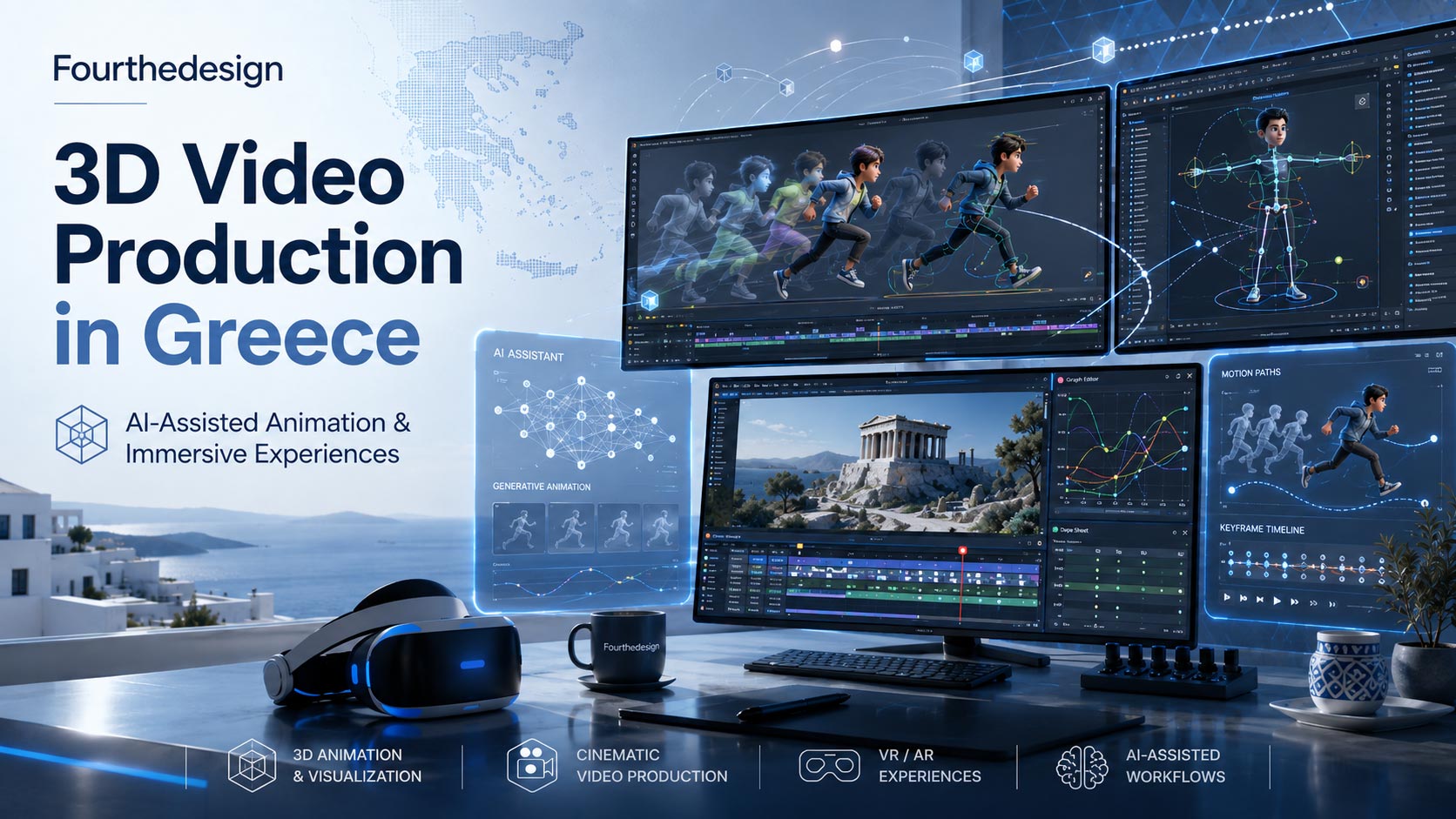
The digital world has changed dramatically over the past decade. Businesses are increasingly using 3D video production to explain complex ideas, present products, visualise future developments and create immersive brand experiences.
Greece has developed a growing creative industry in areas such as 3D animation, architectural visualisation, interactive applications, Virtual Reality and digital storytelling. Greek studios now work with clients across Europe and internationally, delivering high-quality content for marketing, education, real estate, tourism, cultural heritage and industrial training.
Whether you are launching a new product, presenting an architectural development or creating an immersive digital experience, professional 3D production gives you powerful new ways to communicate your ideas.

What Is 3D Video Production?
3D video production is the process of creating animated moving images using three-dimensional computer graphics.
Unlike traditional 2D animation, 3D production creates digital objects, characters and environments that exist in three-dimensional space. This allows artists to use realistic lighting, materials, camera movement, depth and perspective.
A typical 3D production process includes several stages.
Concept Development and Storyboarding
Every successful project begins with a clear idea.
During this stage, the production team defines the message, audience, visual style and structure of the video. Storyboards are then created to show the main scenes, camera angles and sequence of events.
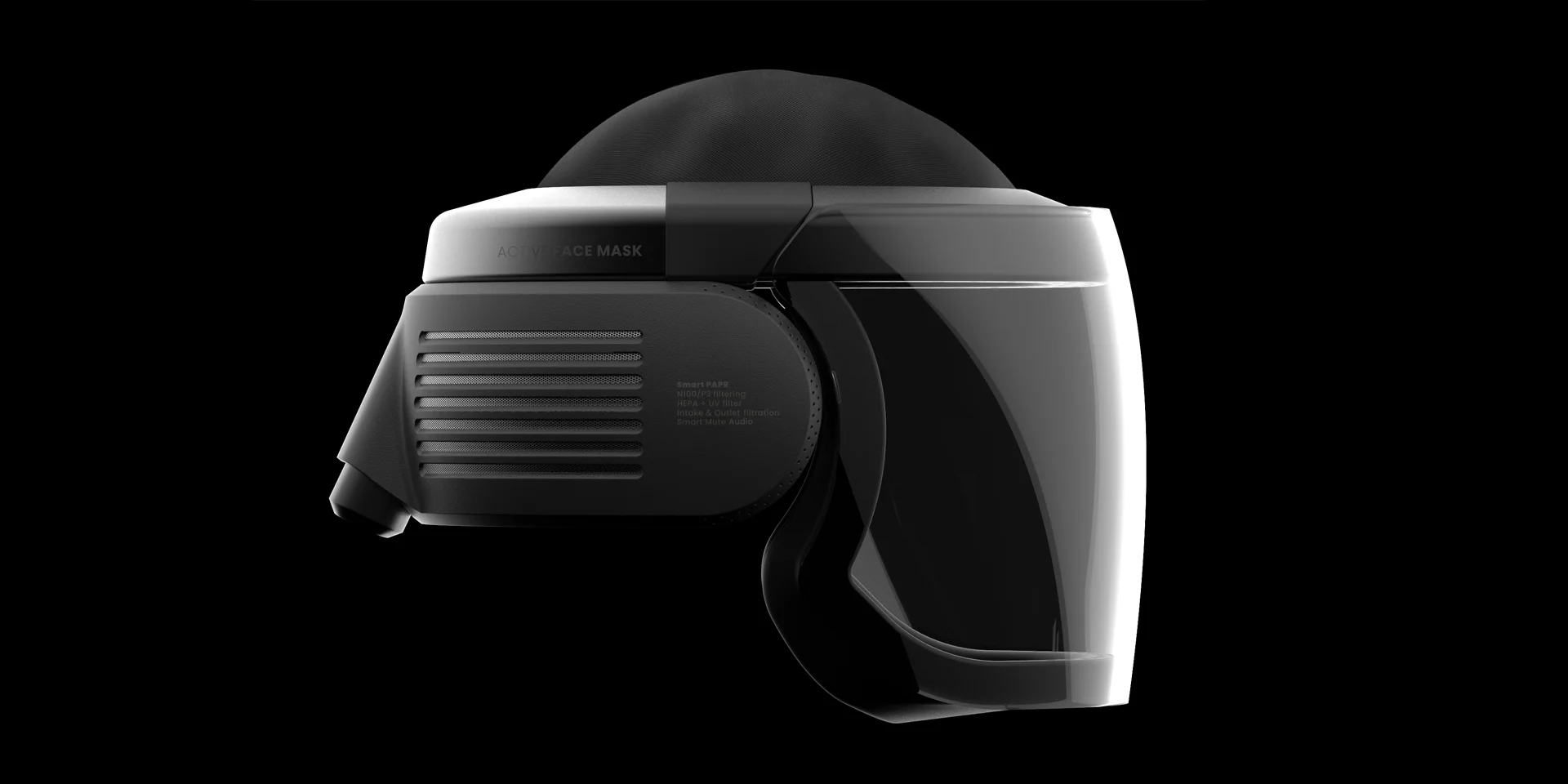
3D Modelling
The artists create the digital geometry of the objects, buildings, environments or characters that will appear in the production.
These models can be created from architectural drawings, photographs, CAD files, technical specifications or original concepts.
Texturing and Materials
Once the models are complete, artists add colours, textures and surface properties.
This stage determines whether an object looks like glass, metal, stone, wood, fabric, plastic or another material.
Rigging and Animation
Characters and mechanical objects may need digital control systems, known as rigs, before they can move.
Animators then create character movement, camera animation, object interactions, product demonstrations and environmental effects.
Lighting and Rendering
Digital lights are placed inside the scene to create the desired mood and realism.
The completed animation is then rendered into individual images or video sequences. Depending on the complexity and required resolution, rendering can be one of the most demanding stages of production.
Post-Production
The final stage can include editing, colour correction, visual effects, motion graphics, sound design, music and voice-over production.
All the separate elements are combined into the finished video.
Applications of 3D Video Production
3D video production is now used across many industries. It can explain things that are difficult, expensive or even impossible to film with a traditional camera.
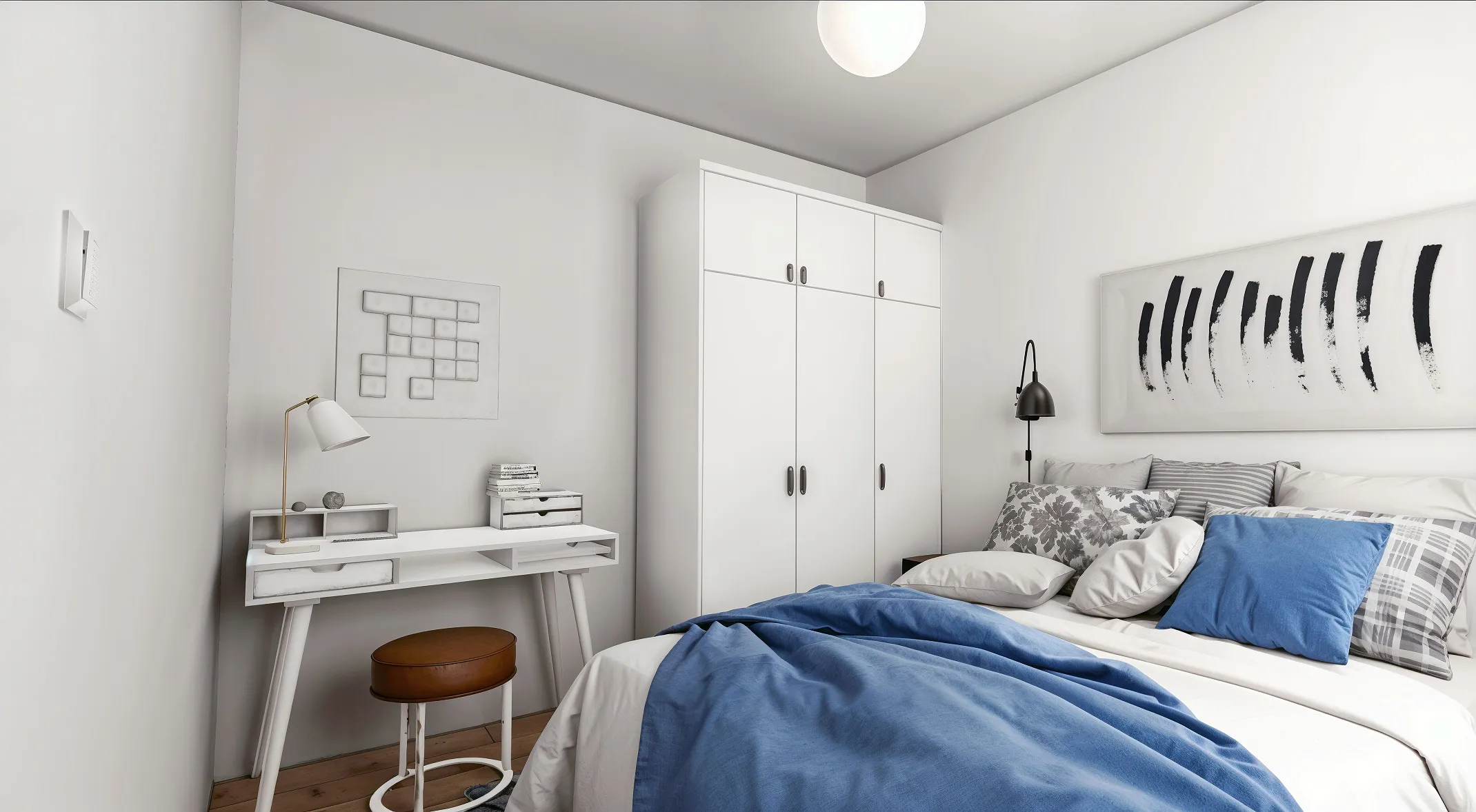
Architectural Visualisation and Real Estate
Architects and property developers use 3D animation to present buildings before construction begins.
Potential buyers can explore future apartments, hotels, resorts, commercial spaces and residential developments through cinematic videos or interactive virtual walkthroughs.
This helps clients understand the design, layout, materials and atmosphere of a property more clearly. It can also support marketing and property sales long before the physical building is completed.
Product Visualisation and E-Commerce
A 3D product animation can show an item from every angle, demonstrate how it works and reveal internal components that would normally remain hidden.
This is especially useful for industrial equipment, electronics, medical devices, furniture, machinery and products that have not yet entered physical production.
The same 3D models can also be reused for product configurators, online shops, Augmented Reality applications and interactive presentations.
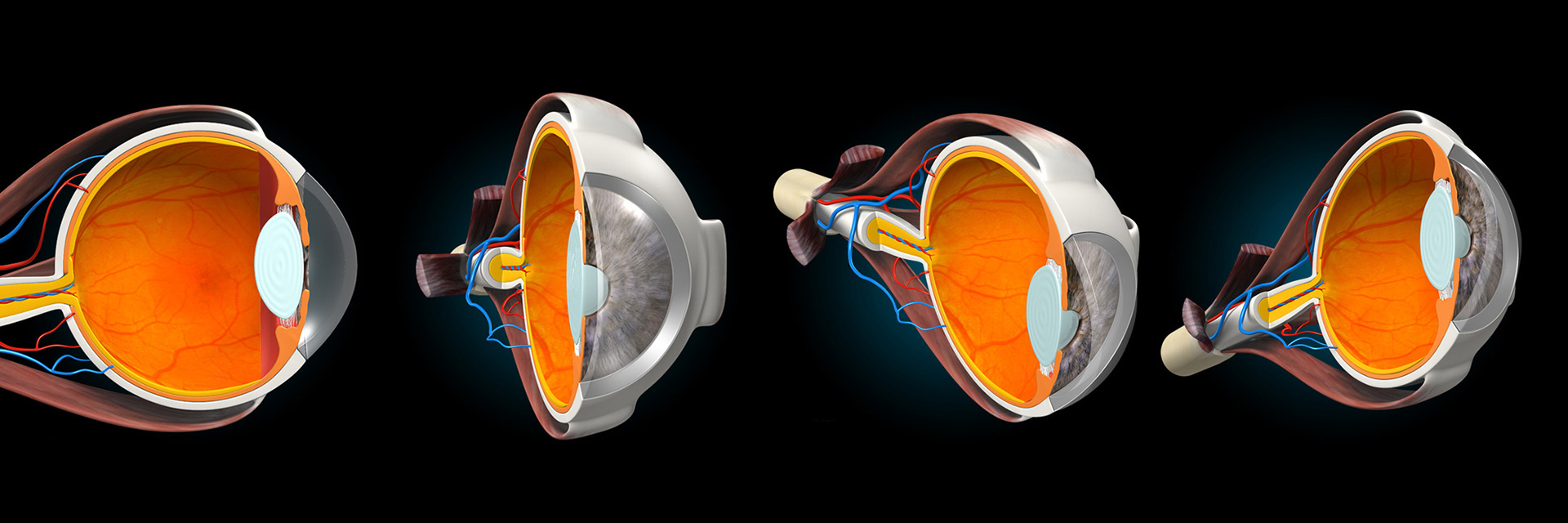
Healthcare and Medical Animation
Medical and pharmaceutical organisations use 3D animation to explain complex biological processes, treatments and medical procedures.
A well-designed medical animation can make difficult information easier to understand for patients, doctors, healthcare professionals and students.
Applications include anatomy visualisation, mechanism-of-action videos, surgical training and medical education.
Cultural Heritage and Museum Experiences
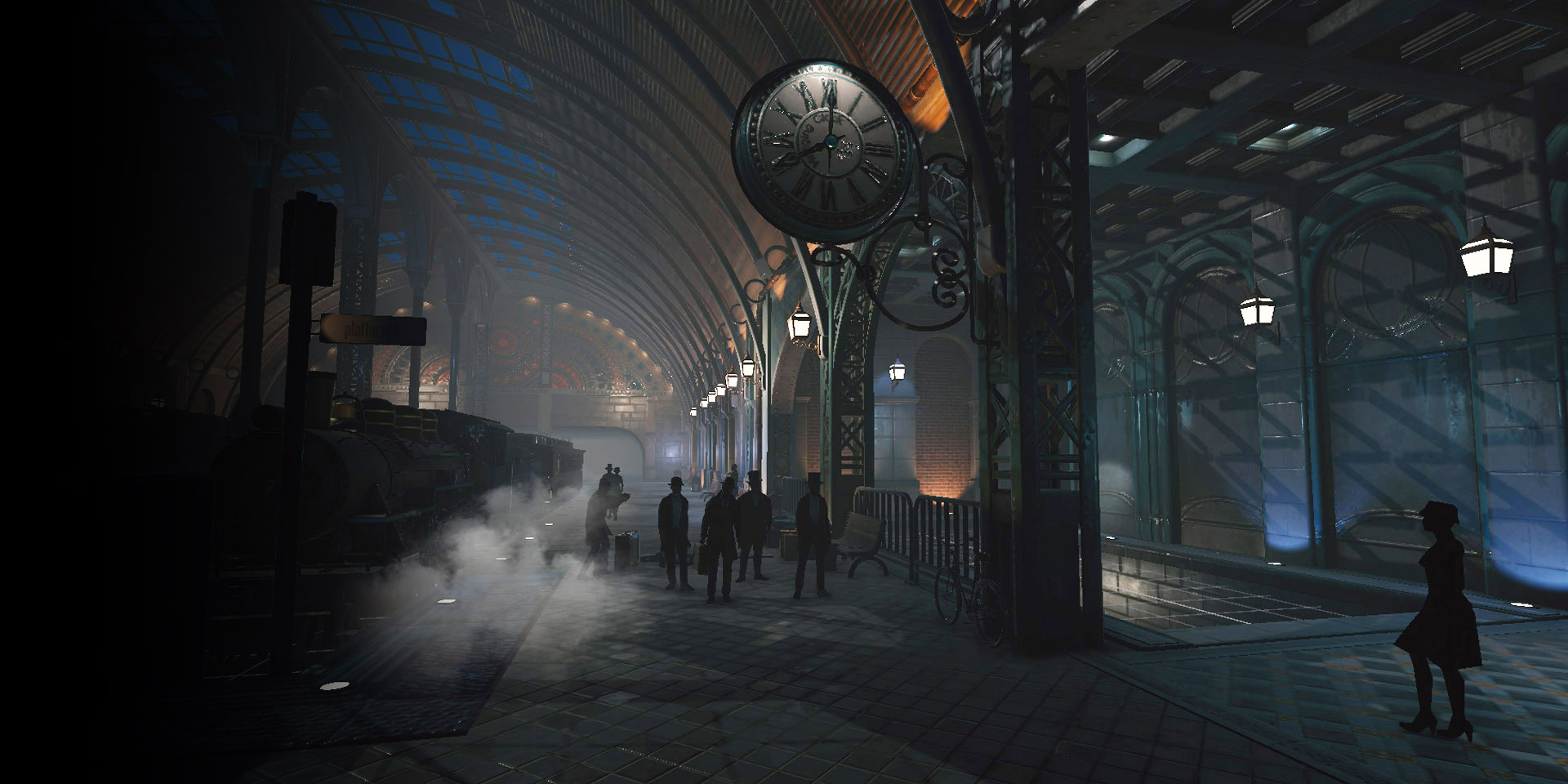
Greece’s rich historical and cultural heritage creates strong opportunities for digital reconstruction and immersive storytelling.
3D technology can recreate monuments, archaeological sites, historical buildings and important events that no longer exist in their original form.
Museums and cultural organisations can use these reconstructions in videos, interactive exhibits, Virtual Reality experiences and Augmented Reality applications.
Instead of simply reading about history, visitors can step inside it. That is a little more exciting than staring at another dusty information board.
Defence and Training Simulations
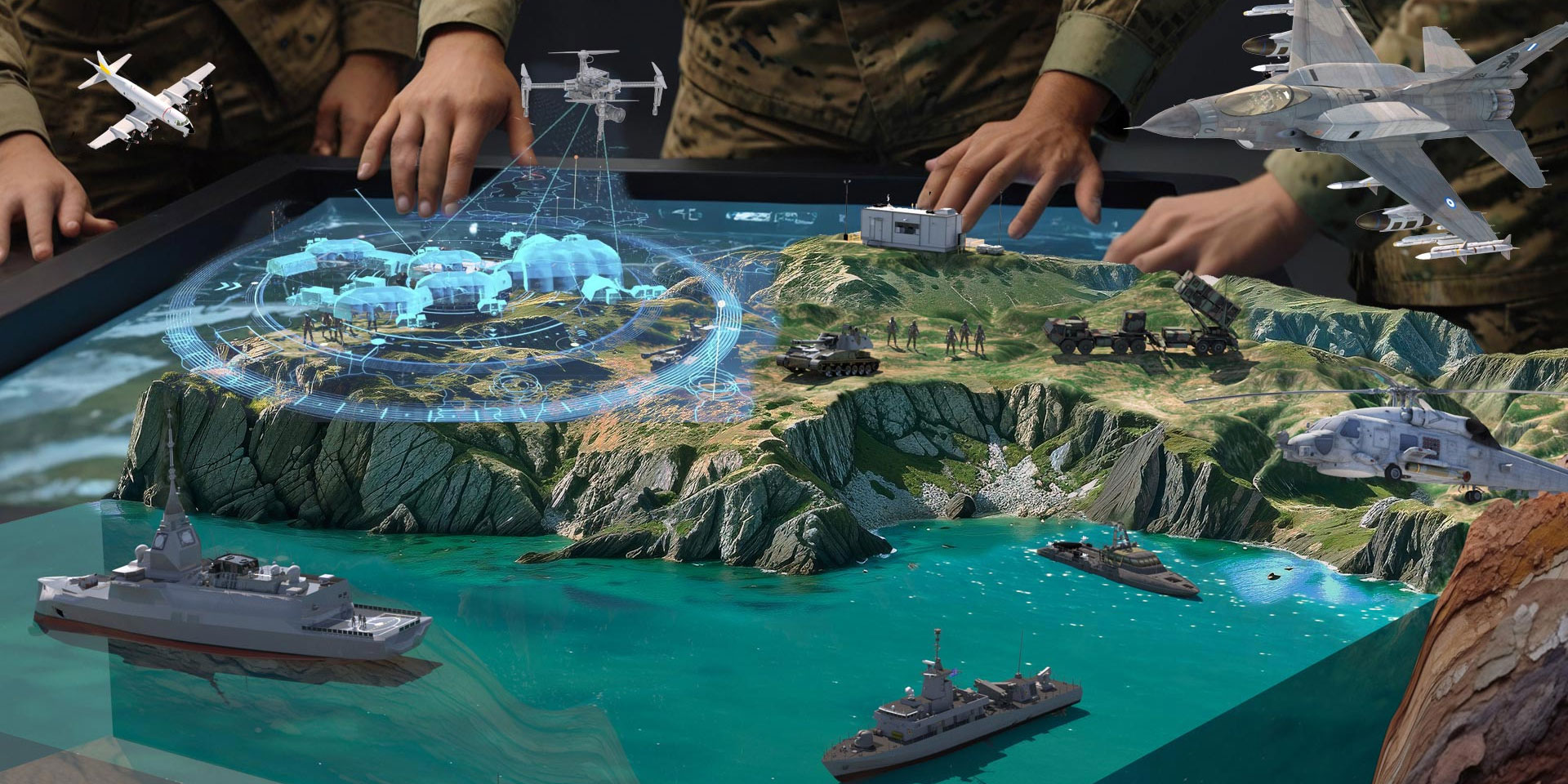
Defence, aviation, security and industrial organisations use 3D simulations for training, planning and technical visualisation.
Realistic digital environments allow users to practise procedures without placing equipment or personnel at risk.
Training scenarios can include equipment operation, emergency response, tactical planning, safety procedures and maintenance tasks.
Commercial Advertising and Brand Storytelling
Brands use 3D animation to create promotional videos, product launches, social media content and advertising campaigns.
Because every element is digitally controlled, companies can present products in environments that would be difficult or expensive to create physically.
A product can float through space, transform into another object or break apart into hundreds of components. Try asking a normal camera crew to do that before lunch.
The Greek 3D Video Production Market
Greece’s creative technology sector has grown steadily in areas such as 3D animation, architectural visualisation, interactive media and immersive technologies.
Several factors make Greece an attractive location for international 3D production projects.
Strong Creative and Technical Talent
Greek universities, design schools and technical institutions have produced skilled artists, developers, animators and digital designers.
Many professionals combine creative skills with expertise in software such as Blender, 3ds Max, Maya, Cinema 4D, Unreal Engine and Unity.
Competitive Production Costs
Greek studios can often provide competitive rates compared with studios in Western Europe and North America.
This allows international clients to access experienced production teams while keeping budgets under control.
However, pricing should never be the only factor. The cheapest offer can quickly become the most expensive one when the project needs to be rebuilt from scratch.
Strategic Location
Greece’s position between Europe, Asia and Africa makes it a convenient base for international collaboration.
It also operates within the European Union, which can simplify contracting, invoicing and participation in European projects.
Expertise in Heritage and Tourism
Greek studios have developed valuable experience in tourism, archaeology, museums and cultural heritage.
This includes historical reconstructions, virtual museum exhibitions, destination marketing, digital tourism applications and interactive visitor experiences.
How to Choose a 3D Video Production Studio in Greece
Selecting the right studio can determine whether your project becomes a strong communication tool or a very expensive digital screensaver.
Here are the most important points to consider.
Review the Portfolio
Study the studio’s previous work carefully.
Look for projects with a similar style, complexity or industry focus. A beautiful portfolio is helpful, but relevant experience matters even more.
A studio that creates architectural walkthroughs may not automatically have the skills required for advanced character animation or industrial simulations.
Examine Technical Expertise
Ask which software, rendering technologies and development platforms the studio uses.
Depending on your project, you may need expertise in traditional rendering, real-time graphics, Unreal Engine, Unity, WebGL, Virtual Reality or Augmented Reality.
The technical pipeline should match the final delivery platform.
Check Industry Experience
Different industries have different requirements.
Medical content may require scientific accuracy. Industrial training needs realistic procedures and interactions. Defence projects may involve strict security requirements.
Choose a team that understands the expectations of your field.
Evaluate Communication
Clear communication is essential in 3D production.
The studio should explain its workflow, provide regular updates and request approvals at important production stages.
This reduces misunderstandings and prevents major changes from appearing near the end of the project.
Confirm Production Capacity
Make sure the studio can deliver the project within your required timeline.
Ask whether the team can scale for larger productions and whether external specialists will be involved.
A small studio can deliver excellent work, but it should be honest about its available resources.
Request Transparent Pricing
A professional quotation should explain what is included in the price.
It should cover production stages, deliverables, revision rounds, resolution, duration, formats, usage rights and payment terms.
The quotation should also explain how additional changes or scope increases will be charged.
Ask About Support After Delivery
Some projects require future updates, alternative versions or additional formats.
Ask whether the studio can provide ongoing support after the initial delivery.
Building a long-term relationship with a production partner is often more efficient than starting from zero every time.
Understanding 3D Video Production Costs in Greece
The price of a 3D video depends on its duration, visual quality, animation complexity and technical requirements.
Indicative budget ranges may include:
- Simple product animation, 15–30 seconds: €2,000–€5,000
- Architectural visualisation for one property: €4,000–€12,000
- Explainer video, 60–90 seconds: €3,500–€8,000
- Character animation, approximately 30 seconds: €5,000–€15,000
- Complex commercial video, 60 seconds or longer: €8,000–€25,000+
- Complete VR or AR experience: €15,000–€100,000+
- Feature-length animation: €50,000–€500,000+
These ranges are indicative. Every project should be evaluated individually.
Factors That Affect Pricing
Duration
Longer videos usually require more modelling, animation, rendering and editing.
However, a short video with complex effects can sometimes cost more than a longer, simpler production.
Visual Complexity
Detailed environments, realistic characters, simulations and advanced effects require more production time.
A clean technical animation will normally cost less than a cinematic battle scene involving hundreds of animated characters. No surprise there.
Number of Models and Characters
Creating multiple objects, characters or locations increases the modelling and animation workload.
Existing CAD files or usable 3D assets can sometimes reduce production time.
Resolution and Frame Rate
Producing content in 4K, 8K, VR resolution or high frame rates requires additional rendering power and storage.
VR productions are especially demanding because high image quality is needed across a very wide field of view.
Visual Effects
Smoke, water, fire, particles, destruction, cloth and realistic physics simulations can significantly increase production time.
Revisions
Major changes after the modelling or animation stage can affect both budget and delivery time.
For this reason, clients should review storyboards and early previews carefully before approving production.
Timeline
Urgent projects may require a larger team, additional rendering resources or extended working hours.
Rush delivery normally comes with an additional cost.
Latest Trends in 3D Video Production
The industry continues to evolve quickly, with several technologies changing how 3D content is created and delivered.
Real-Time 3D and Interactive Content
Real-time engines such as Unreal Engine and Unity allow 3D environments to respond instantly to user input.
Instead of watching a fixed video, users can explore a space, interact with objects and choose what they want to see.
This technology is widely used in architectural visualisation, product presentations, industrial training and immersive experiences.
Artificial Intelligence in 3D Animation Production
Artificial Intelligence is becoming an important part of modern 3D animation workflows. AI-assisted tools can support concept development, storyboarding, texture creation, motion generation, voice production, image enhancement and repetitive technical tasks. They help production teams explore ideas faster, reduce time spent on manual processes and focus more attention on creativity, storytelling and visual quality.
At Fourthedesign, we integrate AI-assisted tools into selected stages of our animation, VR and interactive production workflows. We use them to accelerate early visual concepts, test alternative creative directions, support texture and environment development, improve production efficiency and optimise content for different platforms. Every result is still reviewed, refined and controlled by our experienced artists, animators and developers. AI does not replace the creative team. It acts as a powerful production assistant that helps us deliver more ambitious, efficient and visually engaging experiences.
Virtual and Augmented Reality
VR and AR are creating increasing demand for spatial 3D content.
Companies use these technologies for training, product demonstrations, property presentations, museums, tourism and education.
Modern standalone headsets have also made immersive experiences easier to deploy without expensive computer systems.
Photorealism and Ray Tracing
Modern rendering technologies can create images that are increasingly difficult to distinguish from traditional photography or live-action video.
Real-time ray tracing improves reflections, shadows and lighting, allowing interactive experiences to achieve more cinematic quality.
Web-Based 3D Experiences
Interactive 3D content can now run directly in a web browser.
Users can explore products, properties and digital environments without installing a separate application.
This makes 3D content more accessible for marketing, sales and online communication.
Steps to Start a 3D Video Production Project
Step 1: Define Your Goals
Begin by identifying what the video needs to achieve.
Consider the audience, message, delivery platform, duration, timeline and approximate budget.
Clear goals help the production studio recommend the right creative and technical approach.
Step 2: Create a Creative Brief
Prepare a short document describing the project.
Include your objectives, preferred visual style, key messages, reference videos, available assets and required deliverables.
The brief does not need to be a novel. Nobody needs a dramatic 80-page backstory for a 30-second product animation.
Step 3: Research Studios
Review portfolios and shortlist studios that have relevant experience.
Contact several candidates and provide the same information to each one. This will make their proposals easier to compare.
Step 4: Request Detailed Quotations
Ask for a clear breakdown of the production process, costs and delivery schedule.
Confirm how many revision rounds are included and which assets or information you must provide.
Step 5: Approve the Contract and Schedule
The agreement should define the deliverables, payment structure, intellectual property rights, revision policy and final delivery formats.
It should also establish key approval stages.
Step 6: Participate in the Production Process
Provide feedback on time and involve the correct decision-makers from the beginning.
Waiting until the final video to introduce a new manager with a completely different opinion is rarely a recipe for happiness.
Step 7: Launch and Measure Results
Once the production is complete, publish it through the appropriate platforms.
These may include your website, social media, exhibitions, presentations, advertising campaigns, VR headsets or interactive installations.
Measure engagement and audience response to understand how the content performs.
Bring Your Ideas to Life with Professional 3D Production
3D video production gives businesses and organisations the ability to communicate ideas that traditional video cannot easily capture.
It can visualise future developments, explain complex systems, recreate historical environments and create immersive experiences that audiences can actively explore.
Greece offers a strong combination of creative talent, technical expertise and competitive production costs. It is particularly well positioned for projects related to architectural visualisation, tourism, cultural heritage, product communication, immersive training and interactive technology.
The success of a project depends on clear objectives, realistic budgeting and collaboration with the right production partner.
A professional 3D production studio should not simply create attractive images. It should understand your goals, guide you through the process and deliver content that works for your audience and platform.
Ready to bring your next project to life through 3D animation, interactive visualisation or an immersive VR experience?
Contact Fourthedesign to discuss your requirements, explore suitable production options and receive a detailed project proposal.
